25 Mar - 05 Apr 2026
11 Nights onboard SH Diana
All Inclusive Drinks*
Thermal spa access*
Overseas Transfers
Expedition Jacket (on polar itineraries only)*
Water bottle*
Digital photo album*
Room Service*
Complimentary Dining*
Gratuities*
Shore Excursions*
Entertainment*
Wi-Fi*
Not Available
from
£6,820
per person
from
£8,345
per person
from
£12,520
per person
Our experts are here to help
Call us today on 0203 930 4640 or enquire online.


*Select voyages. T's and C's apply
Day 1
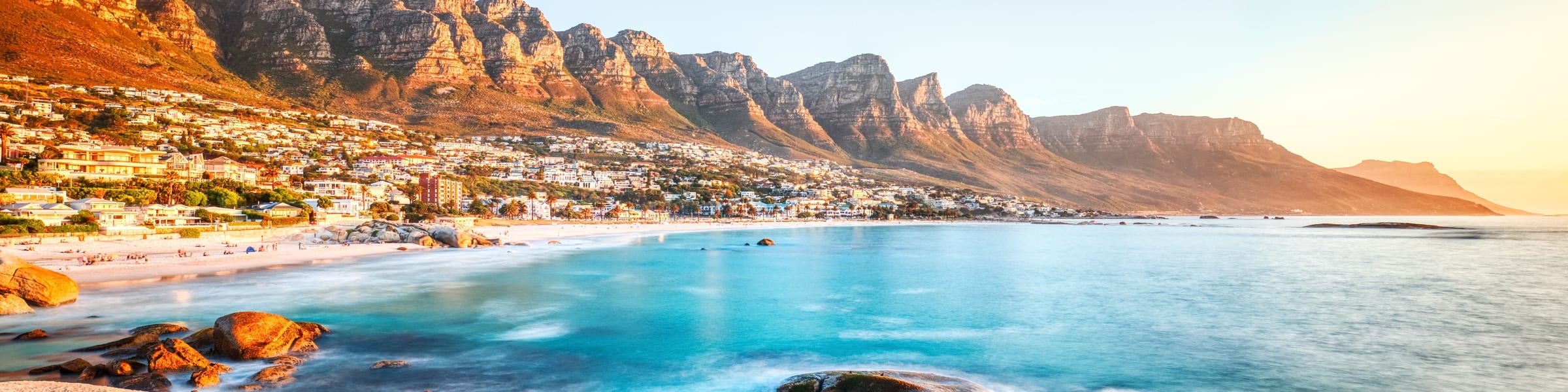
Sometimes referred to as the Mother City, Cape Town is the most famous port in South Africa and is influenced by many different cultures, including Dutch, British and Malay. The port was founded in 1652 by Dutch explorer Jan Van Riebeeck, and evidence of Dutch colonial rule remains throughout the region. The port is located on one of the world's most important trade routes, and is mainly a container port and handler of fresh fruit. Fishing is another vital industry, with large Asian fishing fleets using Cape Town as a logistical repair base for much of the year. The region is famous for its natural beauty, with the imposing Table Mountain and Lions Head, as well as the many nature reserves and botanical gardens such as Kirstenbosch which boasts an extensive range of indigenous plant life, including proteas and ferns. Cape Town's weather is mercurial, and can change from beautiful sunshine to dramatic thunderstorms within a short period. A local adage is that in Cape Town you can experience four seasons in one day.
Day 2
Sometimes referred to as the Mother City, Cape Town is the most famous port in South Africa and is influenced by many different cultures, including Dutch, British and Malay. The port was founded in 1652 by Dutch explorer Jan Van Riebeeck, and evidence of Dutch colonial rule remains throughout the region. The port is located on one of the world's most important trade routes, and is mainly a container port and handler of fresh fruit. Fishing is another vital industry, with large Asian fishing fleets using Cape Town as a logistical repair base for much of the year. The region is famous for its natural beauty, with the imposing Table Mountain and Lions Head, as well as the many nature reserves and botanical gardens such as Kirstenbosch which boasts an extensive range of indigenous plant life, including proteas and ferns. Cape Town's weather is mercurial, and can change from beautiful sunshine to dramatic thunderstorms within a short period. A local adage is that in Cape Town you can experience four seasons in one day.
Day 3
Day 4
Day 5
The reopening of the diamond mine at Elizabeth Bay 20 years ago has brought the development of tourism and fishing back to this small 19th century village on the barren, windswept Namib Desert coast. One of Namibias oddities, it has everything you'd expect from a small German town - delicatessens, coffee shops and a Lutheran church. Here, the icy but clean South Atlantic is home to seals, penguins and other marine life and the desolate beaches support flamingoes. It was founded in 1883 when Heinrich Vogelsang purchased Angra Pequena and some of the surrounding land on behalf of Adolf Lüderitz, a Hanseat from Germany, from the local Nama chief. Lüderitz began its life as a trading post, with other activities in fishing and guano-harvesting. As a sign of Luderitz's revival, 1996 staged the first traditional German Karneval since 1960.
Day 6
Once a whaling station, Walvis Bay provides a gateway to the extraordinary desert landscapes of Namibia and is itself an area of unusual natural beauty. The showpiece of the Walvis Bay area is the natural lagoon where you can see flamingos in their thousands at certain times of the year, along with a variety of other wading birds such as the white pelican. Further inland you will find the stunning Namib Desert, which provides an unlikely home for a diverse array of wildlife. Alternatively, you could venture into the desert of Sossusvlei, whose mountainous ochre sand dunes are said to be the highest in the world, or visit the colonial town of Swakopmund.
Day 7
Once a whaling station, Walvis Bay provides a gateway to the extraordinary desert landscapes of Namibia and is itself an area of unusual natural beauty. The showpiece of the Walvis Bay area is the natural lagoon where you can see flamingos in their thousands at certain times of the year, along with a variety of other wading birds such as the white pelican. Further inland you will find the stunning Namib Desert, which provides an unlikely home for a diverse array of wildlife. Alternatively, you could venture into the desert of Sossusvlei, whose mountainous ochre sand dunes are said to be the highest in the world, or visit the colonial town of Swakopmund.
Day 8
Day 9
Day 10
Namibe is a coastal city of baroque architecture and stately churches in southwestern Angola. The city was founded in 1840 by the colonial Portuguese administration. Namibe is perched between the edge of the expansive Namib Desert and the cold waters of the Benguela Current flowing to the north offshore. Thanks to the blend of cool water and proximity to the desert, Namibe has a cool dry climate and desert vegetation. The most famous of these desert plants is the Welwitschia mirabilis, a rare plant found only in the Namibe Provence of South Angola and the Namib Desert. This exceptional plant species is generally considered to be one of Earth’s older living plants and experts suggest that it can live up to 1,000 years. Close to Namibe is the Arch Lagoon, also known as “the lost oasis”. The lagoon is formed by a magnificent rock formation in a unique display of art in nature. Despite its name the lagoon is usually dry in Spring.
Day 11
Day 12
To visit Luanda is to witness the inhabitants of Angola rebuild a great city with their newly-acquired wealth. The sense of pride and confidence is overwhelming, and is demonstrated by the city’s new highways and skyscrapers, and by the wildlife and habitat rehabilitation programmes being carried out by the conservation authorities. The modern city of Luanda was founded in 1575 by Portuguese explorer Paulo Dias de Novais, and soon became a centre for trade between Portugal’s African colonies and Brazil. Apart from a short period of Dutch occupation, Luanda was under Portuguese rule until 1974. In the four decades since independence, Angola has become a peaceful and increasingly prosperous country, rich in diamonds and Africa’s second largest oil producer: many international companies now have head offices in Luanda. Please note: Owing to the destruction caused to the country’s infrastructure during the civil war that ended in 2002, Angola lost much of its ability to produce and distribute food: the resulting heavy import duties and high taxes have driven up the cost of goods and services, making Luanda one of the world’s most expensive cities. The price of excursions in this port reflects the prevailing local conditions.
from £6,820 per person
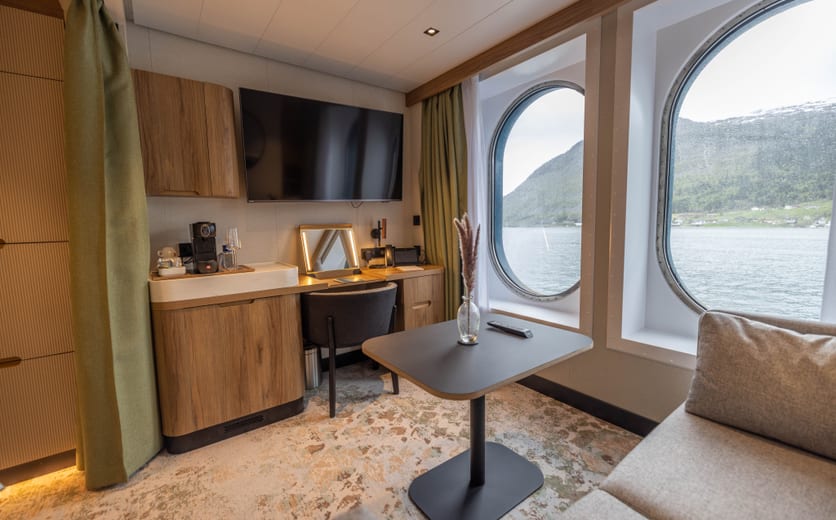
Oceanview Staterooms measure 20m2 (215ft2) and can accommodate two guests. They feature two single beds or a double bed, a bedroom with living room area, and a luxurious bathroom.
from £8,345 per person
from £12,520 per person
from £6,820 per person
Oceanview Staterooms measure 20m2 (215ft2) and can accommodate two guests. They feature two single beds or a double bed, a bedroom with living room area, and a luxurious bathroom.
from £8,345 per person
from £12,520 per person