Call
Call Enquire
 Search


Menu

Manage my booking

| Sales | |
| Monday - Friday | 09:00 - 20:00 |
| Saturday | 09:00 - 16:00 |
| Sunday | 10:00 - 17:00 |
| Bank Holiday | 10:00 - 16:00 |
| Aftersales | |
| Monday - Friday | 09:00 - 17:30 |
| Bank Holiday | 10:00 - 16:00 |


 04 Jul 2027 from £9,699
28 Mar - 21 Apr 2027

Return flights from the UK

21 Nights onboard S.S. Bon Voyage

All Inclusive Drinks*

Overseas Transfers

Complimentary Dining*

Gratuities*

Shore Excursions*

Entertainment*

Wi-Fi*
Not Available
Sold Out
from
£11,949
per person
Sold Out
Our experts are here to help
Call us today on 0203 930 4640 or enquire online.





 Save up to 50% on luxury travel*Save up to 20% on select 2027 sailings*2026 Solo Traveller Savings*
*Select voyages. T's and C's apply
Day 1
Arrive at Bordeaux-Mérignac International Airport. If you have arranged a Uniworld arrival transfer, you will be greeted by a Uniworld representative and transferred to the ship.
Bordeaux as a whole, rather than any particular points within it, is what you'll want to visit in order to understand why Victor Hugo described it as Versailles plus Antwerp, and why the painter Francisco de Goya, when exiled from his native Spain, chose it as his last home (he died here in 1828). The capital of southwest France and the region's largest city, Bordeaux remains synonymous with the wine trade: wine shippers have long maintained their headquarters along the banks of the Garonne, while buyers from around the world arrive for the huge biennial Vinexpo show (held in odd-number years).Bordeaux is, admittedly, a less exuberant city than many others in France, but lively and stylish elements are making a dent in its conservative veneer. The cleaned-up riverfront is said by some, after a bottle or two, to exude an elegance reminiscent of St. Petersburg, and that aura of 18th-century élan also permeates the historic downtown sector—“le vieux Bordeaux"—where fine shops invite exploration. To the south of the city center are old docklands undergoing renewal—one train station has now been transformed into a big multiplex movie theater—but the area is still a bit shady. To get a feel for the historic port of Bordeaux, take the 90-minute boat trip that leaves Quai Louis-XVIII every weekday afternoon, or the regular passenger ferry that plies the Garonne between Quai Richelieu and the Pont d'Aquitaine in summer. A nice time to stroll around the city center is the first Sunday of the month, when it's pedestrian-only and vehicles are banned.
Day 2
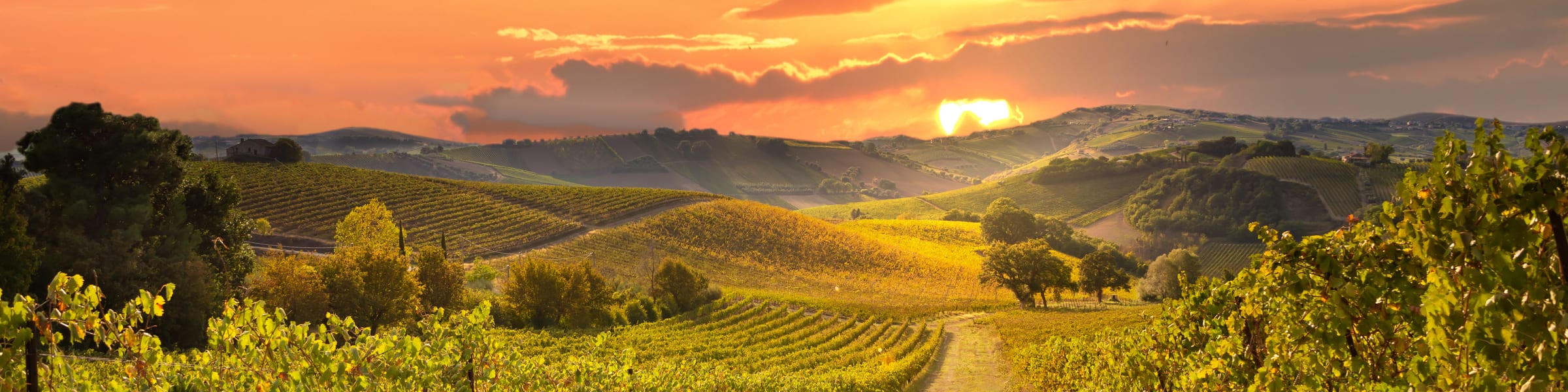
The legendary Médoc region abounds with prestigious wine châteaux in a dizzying array of architectural styles, as well as miles of grapevines stretching to infinity. Take a scenic drive through the storied Médoc wine route, followed by a wine tasting at a beautiful wine estate.
Pauillac, France, is a scenic village in the Bordeaux wine region, renowned for its prestigious vineyards and charming riverfront. Located on the Gironde estuary, it is famed for its high-quality red wines, including those from renowned châteaux like Lafite Rothschild and Mouton Rothschild. The village features historic buildings, vibrant markets, and stunning views of the estuary. Pauillac’s blend of rich winemaking heritage and picturesque landscapes makes it a delightful destination for wine enthusiasts and travellers seeking a taste of Bordeaux’s elegance.
Day 3
The French phrase “la douceur de vivre” is an accurate description for your time in Cadillac, known for its deliciously flavored dessert wines. Visit Château Royal de Cazeneuve, site of Henry IV’s and Queen Margot’s tempestuous love. Meet the owner around a glass of Sauternes in the reception hall.
Cadillac, France, is a charming town in the Gironde department, known for its historic architecture and vineyards. Famous for its production of sweet white wines, especially Cadillac Côtes de Bordeaux, the town features a well-preserved 18th-century château and picturesque streets. Set along the Garonne River, Cadillac offers scenic views and a rich heritage, blending historical charm with local wine culture. Its vibrant markets and serene atmosphere make it a pleasant destination for those exploring the Bordeaux wine region.
Day 4
The Route de la Corniche Fleurie…could this be the most beautiful road you’ve ever traveled? Find out today on the drive to Blaye Fortress, passing through one impossibly picturesque hamlet after another. Once you arrive, you’ll discover the wonders of this historic fortress, a UNESCO-designated citadel that once protected Bordeaux from attacks by sea.
Blaye, France, is a picturesque town in the Gironde department, renowned for its historic Blaye Citadel, a UNESCO World Heritage site with stunning views of the Gironde estuary. The town boasts charming streets, vibrant markets, and renowned vineyards producing exceptional wines, including Blaye Côtes de Bordeaux. Blaye’s blend of historical architecture, scenic river views, and local wine culture makes it an inviting destination for history enthusiasts and wine lovers alike.
Day 5
With Libourne as your base, travel to nearby breathtaking Saint-Émilion and immerse yourself more deeply in the region’s history and wine culture. The medieval town of Saint-Émilion is an ideal place to linger. Wander its cobblestone lanes lined with wine shops and bakeries, and stop to admire the amazing rock-hewn church that extends beneath the city’s streets.
Libourne, France, is a historic town in the Bordeaux wine region, renowned for its vibrant market and beautiful architecture. Located along the Dordogne River, it features a charming blend of medieval and Renaissance buildings, including the striking Church of Saint-Jean-Baptiste. Libourne is a gateway to prestigious wine estates, including Pomerol and Saint-Émilion. The town's bustling market and scenic riverside setting offer a delightful experience for visitors interested in wine, history, and local culture.
Day 6
France’s rich agricultural tradition is the heart and soul of the region’s exquisite cuisine—and what better way to get a taste for the freshest vegetables, cheeses, breads and fruits than with a visit to Libourne’s lively farmers’ market?
Libourne, France, is a historic town in the Bordeaux wine region, renowned for its vibrant market and beautiful architecture. Located along the Dordogne River, it features a charming blend of medieval and Renaissance buildings, including the striking Church of Saint-Jean-Baptiste. Libourne is a gateway to prestigious wine estates, including Pomerol and Saint-Émilion. The town's bustling market and scenic riverside setting offer a delightful experience for visitors interested in wine, history, and local culture.
Day 7
Discover Bordeaux’s many charms today, either on foot with a local expert or on two wheels—the locals’ preferred way to navigate the city’s charming backstreets. You have a wonderful selection of active opportunities to see this magnificent UNESCO World Heritage Site.
Bordeaux as a whole, rather than any particular points within it, is what you'll want to visit in order to understand why Victor Hugo described it as Versailles plus Antwerp, and why the painter Francisco de Goya, when exiled from his native Spain, chose it as his last home (he died here in 1828). The capital of southwest France and the region's largest city, Bordeaux remains synonymous with the wine trade: wine shippers have long maintained their headquarters along the banks of the Garonne, while buyers from around the world arrive for the huge biennial Vinexpo show (held in odd-number years).Bordeaux is, admittedly, a less exuberant city than many others in France, but lively and stylish elements are making a dent in its conservative veneer. The cleaned-up riverfront is said by some, after a bottle or two, to exude an elegance reminiscent of St. Petersburg, and that aura of 18th-century élan also permeates the historic downtown sector—“le vieux Bordeaux"—where fine shops invite exploration. To the south of the city center are old docklands undergoing renewal—one train station has now been transformed into a big multiplex movie theater—but the area is still a bit shady. To get a feel for the historic port of Bordeaux, take the 90-minute boat trip that leaves Quai Louis-XVIII every weekday afternoon, or the regular passenger ferry that plies the Garonne between Quai Richelieu and the Pont d'Aquitaine in summer. A nice time to stroll around the city center is the first Sunday of the month, when it's pedestrian-only and vehicles are banned.
Day 8
Disembark the breathtaking S.S. Bon Voyage and transfer to Paris via high-speed TGV train. Your next ship, the magical S.S. Joie de Vivre, waits to carry you along the Seine on the next leg of your adventure. Note: Ship schedule and order of sightseeing may change throughout the itinerary. Tour to port of destination by motorcoach and substitute visits to other sites may occur during your trip due to the impact of water levels, closures because of public holidays or other uncontrollable factors.
Bordeaux as a whole, rather than any particular points within it, is what you'll want to visit in order to understand why Victor Hugo described it as Versailles plus Antwerp, and why the painter Francisco de Goya, when exiled from his native Spain, chose it as his last home (he died here in 1828). The capital of southwest France and the region's largest city, Bordeaux remains synonymous with the wine trade: wine shippers have long maintained their headquarters along the banks of the Garonne, while buyers from around the world arrive for the huge biennial Vinexpo show (held in odd-number years).Bordeaux is, admittedly, a less exuberant city than many others in France, but lively and stylish elements are making a dent in its conservative veneer. The cleaned-up riverfront is said by some, after a bottle or two, to exude an elegance reminiscent of St. Petersburg, and that aura of 18th-century élan also permeates the historic downtown sector—“le vieux Bordeaux"—where fine shops invite exploration. To the south of the city center are old docklands undergoing renewal—one train station has now been transformed into a big multiplex movie theater—but the area is still a bit shady. To get a feel for the historic port of Bordeaux, take the 90-minute boat trip that leaves Quai Louis-XVIII every weekday afternoon, or the regular passenger ferry that plies the Garonne between Quai Richelieu and the Pont d'Aquitaine in summer. A nice time to stroll around the city center is the first Sunday of the month, when it's pedestrian-only and vehicles are banned.
Day 9
Today is a celebration of northern France’s natural beauty, with an excursion to a splendid château and gardens situated in an equally grand setting, plus a chance to immerse yourself in the very landscapes that inspired Impressionist master Claude Monet. In the morning, choose between a scenic hike or a visit to the hilltop Château de La Roche-Guyon, which is surrounded by beautiful gardens and offers sweeping views over the Seine. Later, explore the beautiful gardens of Monet. You'll have the opportunity to take in the French countryside on your way there with an invigorating bike ride, or opt to arrive by coach instead.
Day 10
Walk in the footsteps of greatness in Normandy’s medieval capital, a city with a historic quarter that remains amazingly intact. From the cathedral Monet painted dozens of times to the cross marking the spot where Joan of Arc was martyred, Rouen is a treasure trove for the culturally curious. The roll call of famous people who lived or died in Rouen is long and varied—Richard the Lionheart, Joan of Arc, Gustave Flaubert, and Claude Monet are among them.
Day 11
Caudebec-en-Caux, a lovely little town on the right bank of the Seine Estuary, is your base for one of two very different excursions. You could drive through the beautiful Calvados countryside to Honfleur, a delightful seaside harbor and city of painters, or head to the windy cliffs of Étretat for a game of golf.
Day 12
There are moments when we travel that move us on an otherworldly level—experiences that stir a profound emotional connection. The Normandy beaches certainly have that effect. On your full-day outing, you’ll visit Normandy’s beaches, with a choice to venture to either the American, British and Commonwealth, or Canadian beaches. After, partake in a private memorial ceremony for a sentimental remembrance of Operation Overlord.
Day 13
How did France’s rulers live over the centuries? Step into the private rooms of the Palace of Versailles, the lavish palace built by the Sun King, to find out.
Mantes-la-Jolie is a commune in the Yvelines department in the Île-de-France region of north-central France. It is located to the west of Paris, 48.4 km from the centre of the capital.
Day 14
Whether you’re a first-time visitor to the “City of Light” or you’ve been here many times before, there’s something for everyone today in Paris. Enjoy a panoramic overview of the city, or join a local expert for a walk through two much-loved neighborhoods.
Day 15
You’ll transfer from the magical S.S. Joie de Vivre cruise ship in Paris to the striking S.S. Catherine in Lyon via high-speed TGV train for the second half of this fabulous grand tour. Once you’ve settled into your new home, you’ll have some time to explore delightful Lyon, which is nestled alongside the Saône River.
Lyon, the capital city in France’s Auvergne-Rhône-Alpes region, sits at the junction of the Rhône and Saône rivers. Its center reflects 2,000 years of history from the Roman Amphithéâtre des Trois Gaules, medieval and Renaissance architecture in Vieux (Old) Lyon, to the modern Confluence district on Presqu'île peninsula. Traboules, covered passageways between buildings, connect Vieux Lyon and La Croix-Rousse hill.
Day 16
Ancient Lyon is a city of tantalizing contrasts, from Roman roots to stunning modern architecture and plenty of Renaissance flair in between. There's much to explore here, from the city's bike paths to the silk weavers' secret passageways. While you're in town, you might like to have lunch on your own at one of the many traditional bouchons that proliferate in the epicenter of French gastronomy.
Lyon, the capital city in France’s Auvergne-Rhône-Alpes region, sits at the junction of the Rhône and Saône rivers. Its center reflects 2,000 years of history from the Roman Amphithéâtre des Trois Gaules, medieval and Renaissance architecture in Vieux (Old) Lyon, to the modern Confluence district on Presqu'île peninsula. Traboules, covered passageways between buildings, connect Vieux Lyon and La Croix-Rousse hill.
Day 17
The pace of life is decidedly more relaxed in Burgundy, where endless rows of grapes hang heavy on the vine. The capital of the region’s wine trade, Beaune is renowned for its history, beauty, and highly prized wine, as well as its medieval-era hospital—the Hospices de Beaune.
Day 18
If you love fine wine, you’ll love the twin villages of Tournon and Tain-l’Hermitage. Tournon may be a small town, but stirring events took place here: A castle was raised on the hilltop in the 10th century to protect the region, and new fortifications were added over the centuries, including two “new” towers built to defend against Protestant attacks in the 16th century. You’ll see the handsome houses constructed by wealthy merchants and garrison officers when you walk through the Rue de Doux area, and you’ll pass the 14th-century church and the oldest secondary school in France.
Tain-l'Hermitage, France, is a picturesque town in the Rhône-Alpes region, renowned for its exceptional wines, particularly its Syrah and Hermitage varietals. Nestled along the Rhône River and surrounded by lush vineyards, it offers scenic views and a charming atmosphere. The town features historic sites like the 12th-century Hermitage Chapel and the Cité du Chocolat, celebrating local culinary delights. With its blend of fine wine, rich history, and stunning landscapes, Tain-l'Hermitage is a captivating destination for wine enthusiasts and travelers seeking a taste of Provence.
Day 19
An enchanting village where time seems to have stopped centuries ago, Viviers has a long and storied past that goes back more than 1,600 years—and a splendid architectural heritage to match. At one time, Viviers was divided along religious lines—the clergy lived in the upper part of the town, the laity in the lower part. Your exploration of the town will take you through both parts, as you begin at the crest and make your way to the riverbank.
Viviers, France, is a charming medieval town in the Rhône-Alpes region, renowned for its well-preserved historical architecture. Nestled on the banks of the Rhône River, it features narrow, winding streets, ancient stone houses, and the impressive Saint-Vincent Cathedral. The town's Roman and medieval heritage is evident in its old ramparts and historic buildings. Viviers' tranquil atmosphere and picturesque surroundings offer a glimpse into the past, making it a delightful destination for history lovers and those seeking a serene escape.
Day 20
The walled city of Avignon is one of the most fascinating towns in southern France, with a host of historic gems to explore—including the fortress residence of rebellious popes who broke from Rome and once lived and ruled here. You’ll see the Palace of the Popes and much more today, or have the chance to visit a 2,000-year-old Roman aqueduct.
Avignon, France, is a historic city in Provence famed for its stunning medieval architecture. Dominated by the impressive Palais des Papes, a grand papal palace, and the iconic Pont Saint-Bénézet bridge, Avignon offers a rich cultural heritage. Its charming streets, vibrant markets, and annual theater festival, the Festival d'Avignon, add to its allure. Surrounded by picturesque vineyards and the Rhône River, Avignon blends history with a lively contemporary atmosphere, making it a must-visit for history enthusiasts and culture seekers.
Day 21
Explore a sun-drenched Provençal town today with an allure all its own. Known for its remarkable Roman ruins, Arles so inspired Van Gogh that he painted some 200 paintings there. Arles has existed since the sixth century BC, when the ancient Greeks founded it and named it Theline. It was here that the Romans built their first bridge across the Rhône River, creating a vital overland route between Italy and Spain.
Arles, France, is a historic city in Provence renowned for its Roman heritage and artistic legacy. The ancient amphitheater and the Roman Theater are standout landmarks. Arles also boasts charming streets and vibrant markets, reflecting its rich cultural life. Known for its connection to Vincent van Gogh, the city features scenes immortalized in his paintings. The blend of historical architecture, vibrant local culture, and picturesque landscapes makes Arles a captivating destination for history buffs and art enthusiasts alike.
Day 22
Disembark the ship. If you have arranged a Uniworld departure transfer, you will be transferred to the Marseille Airport for your flight home.
Arles, France, is a historic city in Provence renowned for its Roman heritage and artistic legacy. The ancient amphitheater and the Roman Theater are standout landmarks. Arles also boasts charming streets and vibrant markets, reflecting its rich cultural life. Known for its connection to Vincent van Gogh, the city features scenes immortalized in his paintings. The blend of historical architecture, vibrant local culture, and picturesque landscapes makes Arles a captivating destination for history buffs and art enthusiasts alike.

from £9,649 per person
Luxurious riverview stateroom (151 sq ft - 14 sq m).
Handcrafted Savoir® Beds of England, built-in closets, hair dryer, safe, individual climate-controlled thermostat, direct-dial telephone, and flat-screen TV with infotainment center.
Marble bathroom with Asprey bath and body products, plush towels, backlit magnifying mirror, cozy bathrobes and slippers.
Luxurious riverview stateroom (151 sq ft - 14 sq m).
Handcrafted Savoir® Beds of England, built-in closets, hair dryer, safe, individual climate-controlled thermostat, direct-dial telephone, and flat-screen TV with infotainment center.
Marble bathroom with Asprey bath and body products, plush towels, backlit magnifying mirror, cozy bathrobes and slippers.
from £12,849 per person
from £21,949 per person
from £9,649 per person
Luxurious riverview stateroom (151 sq ft - 14 sq m).
Handcrafted Savoir® Beds of England, built-in closets, hair dryer, safe, individual climate-controlled thermostat, direct-dial telephone, and flat-screen TV with infotainment center.
Marble bathroom with Asprey bath and body products, plush towels, backlit magnifying mirror, cozy bathrobes and slippers.
Luxurious riverview stateroom (151 sq ft - 14 sq m).
Handcrafted Savoir® Beds of England, built-in closets, hair dryer, safe, individual climate-controlled thermostat, direct-dial telephone, and flat-screen TV with infotainment center.
Marble bathroom with Asprey bath and body products, plush towels, backlit magnifying mirror, cozy bathrobes and slippers.
from £12,849 per person
from £21,949 per person





 0203 930 4640