Call
Call Enquire
 Search


Menu

Manage my booking

| Sales | |
| Monday - Friday | 09:00 - 20:00 |
| Saturday | 09:00 - 16:00 |
| Sunday | 10:00 - 17:00 |
| Bank Holiday | 10:00 - 16:00 |
| Aftersales | |
| Monday - Friday | 09:00 - 17:30 |
| Bank Holiday | 10:00 - 16:00 |


 22 Nov 2027 from £4,334
20 Mar - 27 Mar 2027

Return flights from the UK

7 Nights onboard Scenic Azure

All Inclusive Drinks*

Overseas Transfers

Butler*

Complimentary Dining*

Gratuities*

Shore Excursions*

Wi-Fi*
Not Available
from
£4,553
per person
Not Available
from
£4,553
per person
Our experts are here to help
Call us today on 0203 930 4640 or enquire online.





 Save up to 30%* with Return flights^ and Complimentary door-to-door private chauffeur transfers~ included.South East Asia - Save up to 25%* with Flight Credit included.*Worldwide Voyages - Save up to 25%* with return flights included plus complimentary door-to-door private transfers*
*Select voyages. T's and C's apply
Day 1
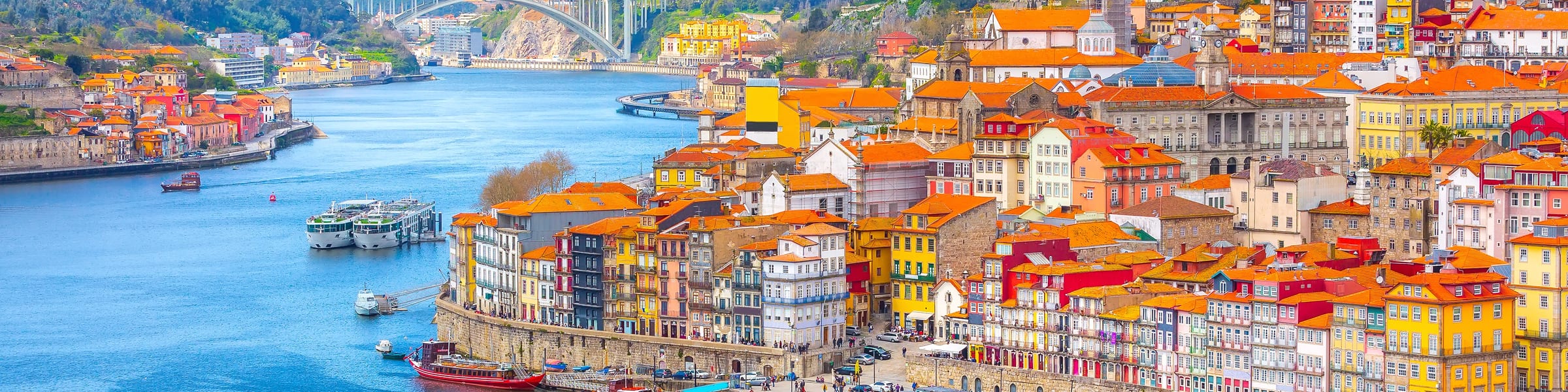
Welcome to Porto, Portugal’s second city. Built on the hills overlooking the mouth of the Douro River, this bustling city is the capital of the Northern region. The city was named by the Romans for its port, which was an integral link to Lisbon. It’s World Heritage-listed for its 2,000-year history and many well-preserved buildings and monuments.
Your friendly crew are ready to welcome you on board your luxurious Scenic Space-Ship.
Lively, commercial Oporto is the second largest city in Portugal after Lisbon. Also called Porto for short, the word easily brings to mind the city's most famous product - port wine. Oporto's strategic location on the north bank of the Douro River has accounted for the town's importance since ancient times. The Romans built a fort here where their trading route crossed the Douro, and the Moors brought their own culture to the area. Oporto profited from provisioning crusaders en route to the Holy Land and enjoyed the riches from Portuguese maritime discoveries during the 15th and 16th centuries. Later, port wine trade with Britain compensated for the loss of the spice trade and the end of gold and gem shipments from Brazil. In the 19th century, the city went through a period of new prosperity with the rise of industries. In its wake followed the building of workers' quarters and opulent residences. Since the declaration of Oporto as a World Heritage Site by UNESCO, the city aims to build up a cultural reference that will provide it with a new image, based on deep historical roots. Among the attractions that make Oporto such an interesting place are its graceful bridges spanning the Douro River, a picturesque riverfront quarter and, most notable, its world-famous port wine lodges. Although Oporto is a bustling centre and home to many different businesses, the source of its greatest fame is the rich, sweet fortified red wine we know as port.
Day 2
Relax as your Scenic Space-Ship meanders its way through the spectacular Douro Valley towards Pinhão. Admire the beaty along the steep riverbanks lined with terraced vineyards and majestic quintas as you cruise along the Douro River.
This afternoon you’ll dock in Pinhão, set on one of the prettiest parts of the Douro River. This small village is surrounded by terraced vineyards and produces exceptional Pport wine. Look out for the charming riverside train station decorated with azulejos (hand-painted tiles) depicting the annual grape harvest. There’s also an opportunity to try your hand at painting your own azulejos at a workshop.
Lively, commercial Oporto is the second largest city in Portugal after Lisbon. Also called Porto for short, the word easily brings to mind the city's most famous product - port wine. Oporto's strategic location on the north bank of the Douro River has accounted for the town's importance since ancient times. The Romans built a fort here where their trading route crossed the Douro, and the Moors brought their own culture to the area. Oporto profited from provisioning crusaders en route to the Holy Land and enjoyed the riches from Portuguese maritime discoveries during the 15th and 16th centuries. Later, port wine trade with Britain compensated for the loss of the spice trade and the end of gold and gem shipments from Brazil. In the 19th century, the city went through a period of new prosperity with the rise of industries. In its wake followed the building of workers' quarters and opulent residences. Since the declaration of Oporto as a World Heritage Site by UNESCO, the city aims to build up a cultural reference that will provide it with a new image, based on deep historical roots. Among the attractions that make Oporto such an interesting place are its graceful bridges spanning the Douro River, a picturesque riverfront quarter and, most notable, its world-famous port wine lodges. Although Oporto is a bustling centre and home to many different businesses, the source of its greatest fame is the rich, sweet fortified red wine we know as port.
Day 2
Day 3
This morning, you have the special opportunity to visit the charming village of Provesende, located on a plateau with spectacular views of the region’s fertile rolling landscape. Wander through the village and visit the church, discover the old bakery, witness traditional handicraft being made, and look inside the historic manor house, Morgadio da Calçada, where you’ll enjoy a tasting of delicious bola.
Day 3
Day 4
Scenic Freechoice: Explore your way with one of today’s Scenic Freechoice excursions:
Salamanca full day excursion: Enjoy a full day excursion to Salamanca. Known as the ‘golden city’ for its sandstone architecture, Salamanca is famous for its university. On this tour you’ll visit the city’s two cathedrals, visit a market to sample local delicacies and have free time to explore and have lunch at your leisure.
Visit the village of Freixo de Espada à Cinta: A town with a curious name that translates to ‘ash tree girded with sword’. Legend has it the Dinis King of Portugal founded the town in the 14th century, then tied his sword to an ash tree before having a rest, hence the unusual name. The town is also the only place in Portugal where handcrafted silk is still processed entirely by hand, and on this guided tour you will visit the local silk museum to gain a better understanding of this local tradition before visiting a local Quinta (estate) for some tasting of regional produce. After this excursion you will return to the ship for lunch.
Day 4
Day 5
Wake in the village of Pocinho, which was established as the terminus of the Douro Railway in 1887. It’s a great location to explore more of the Douro Valley.
Scenic Freechoice:
Explore your way with one of this morning’s Scenic Freechoice excursions:
Côa Valley Museum: Transfer by coach to the Côa Valley Museum, the largest open-air Paleolithic rock art site in the world. Opened in 2010, this museum is one of the largest in Portugal and is a contemporary building designed to blend into the landscape. The museum is a great introduction to the region’s paleolithic rock art sites through artefacts and digital technology; on your visit you’ll enjoy a pre-historic workshop.
Village life in the Côa Valley: Visit the small village of Freixo Numão, a traditional village that has been lived in for centuries. Learn about local life before visiting Casa Painova estate, see the family home and enjoy a demonstration on how sugared almonds are produced. Learn how these nuts are harvested and used in desserts and pastries. Enjoy a tasting of almonds and local products.
This afternoon, relax as you cruise towards Régua, the largest of the riverside towns and an excellent base for exploring the Douro Valley. This region is famous for producing Port wine, with rolling vineyards on the terraced hillsides and wineries dating back to the 18th century.
Day 5
Day 6
Awake in Régua. Why not ask your butler to bring coffee to your suite if you would like a slower start to the day?
Explore the Douro Valley today with a choice of excursions that include visiting one of the most beautiful towns in northern Portugal, exploring an enchanting palace or kayaking along a scenic river.
Scenic Freechoice:
Choose from this morning’s Scenic Freechoice activities:
Excursion to Lamego: Take a coach to the town of Lamego, nestled among terraced vineyards that were the first to produce world-famous port wine. The city prospered in the 18th century and is a fascinating place to wander, with its many fine Baroque structures. Start your tour at the stunning Sanctuary of Our Lady of Remedies, standing gracefully overlooking the town. The front of the Sanctuary is lined by a zigzagged staircase decorated in traditional blue and white tiled mosaics leading down to the town centre. If you are feeling active walk down the staircase or journey down via coach before some tasting some local produce at a nearby Bodega before enjoying some free time to explore the town.
Kayaking along the Pinhão River: Explore this beautiful region from a different perspective as you glide past impressive landscapes via kayak on the Pinhão River, a tributary of the Douro River.
Mateus Palace: Transfer by coach to Mateus Palace, considered one of the best examples of Baroque civil architecture in Portugal. The stunning imposing palace sits behind an ornamental pond, where the silhouette reflects to mirror the regal design.
This afternoon your luxurious Scenic Space-Ship will make its way back to Porto in time for your magnificent Scenic Enrich event.
Scenic Enrich
Classical concert in São Francisco Church: From the ship, take a short walk (with some stairs) to São Francisco Church, which is one of the most iconic sites in Porto. Built in the 13th century, the Gothic church has gilded interiors and breathtaking altars. All guests will be seated in the church for a performance of classical music.
Day 6
Lively, commercial Oporto is the second largest city in Portugal after Lisbon. Also called Porto for short, the word easily brings to mind the city's most famous product - port wine. Oporto's strategic location on the north bank of the Douro River has accounted for the town's importance since ancient times. The Romans built a fort here where their trading route crossed the Douro, and the Moors brought their own culture to the area. Oporto profited from provisioning crusaders en route to the Holy Land and enjoyed the riches from Portuguese maritime discoveries during the 15th and 16th centuries. Later, port wine trade with Britain compensated for the loss of the spice trade and the end of gold and gem shipments from Brazil. In the 19th century, the city went through a period of new prosperity with the rise of industries. In its wake followed the building of workers' quarters and opulent residences. Since the declaration of Oporto as a World Heritage Site by UNESCO, the city aims to build up a cultural reference that will provide it with a new image, based on deep historical roots. Among the attractions that make Oporto such an interesting place are its graceful bridges spanning the Douro River, a picturesque riverfront quarter and, most notable, its world-famous port wine lodges. Although Oporto is a bustling centre and home to many different businesses, the source of its greatest fame is the rich, sweet fortified red wine we know as port.
Day 7
Scenic Freechoice:
Choose from todays Scenic Freechoice excursions:
Guided tour of Porto: Discover the rich culture and history of Porto on this guided tour, which includes a visit to the iconic Palácio da Bolsa. After your guided tour, perhaps take the time to explore the historic Bolhão Markets during your free time.
Excursion to Guimarães: Guimarães was the seat of the first King of Portugal and home to the impressive Ducal Palace. Visit the well-preserved World Heritage-listed city and explore the Ducal Palace. You will also have free time to explore the city on your own.
Quinta da Aveleda: Transfer by coach to this 150-year-old wine producer for a tour and tasting. A highlight of this tour are the enchanting gardens.
Lively, commercial Oporto is the second largest city in Portugal after Lisbon. Also called Porto for short, the word easily brings to mind the city's most famous product - port wine. Oporto's strategic location on the north bank of the Douro River has accounted for the town's importance since ancient times. The Romans built a fort here where their trading route crossed the Douro, and the Moors brought their own culture to the area. Oporto profited from provisioning crusaders en route to the Holy Land and enjoyed the riches from Portuguese maritime discoveries during the 15th and 16th centuries. Later, port wine trade with Britain compensated for the loss of the spice trade and the end of gold and gem shipments from Brazil. In the 19th century, the city went through a period of new prosperity with the rise of industries. In its wake followed the building of workers' quarters and opulent residences. Since the declaration of Oporto as a World Heritage Site by UNESCO, the city aims to build up a cultural reference that will provide it with a new image, based on deep historical roots. Among the attractions that make Oporto such an interesting place are its graceful bridges spanning the Douro River, a picturesque riverfront quarter and, most notable, its world-famous port wine lodges. Although Oporto is a bustling centre and home to many different businesses, the source of its greatest fame is the rich, sweet fortified red wine we know as port.
Day 8
Your cruise concludes this morning in Porto. Disembark and take with you lifelong memories of a remarkable journey across Portugal.
This itinerary is a guide only and may be amended for operational reasons such as high and low water. As such, the cruise may operate altered from that stated above. Please refer to our terms and conditions.
Lively, commercial Oporto is the second largest city in Portugal after Lisbon. Also called Porto for short, the word easily brings to mind the city's most famous product - port wine. Oporto's strategic location on the north bank of the Douro River has accounted for the town's importance since ancient times. The Romans built a fort here where their trading route crossed the Douro, and the Moors brought their own culture to the area. Oporto profited from provisioning crusaders en route to the Holy Land and enjoyed the riches from Portuguese maritime discoveries during the 15th and 16th centuries. Later, port wine trade with Britain compensated for the loss of the spice trade and the end of gold and gem shipments from Brazil. In the 19th century, the city went through a period of new prosperity with the rise of industries. In its wake followed the building of workers' quarters and opulent residences. Since the declaration of Oporto as a World Heritage Site by UNESCO, the city aims to build up a cultural reference that will provide it with a new image, based on deep historical roots. Among the attractions that make Oporto such an interesting place are its graceful bridges spanning the Douro River, a picturesque riverfront quarter and, most notable, its world-famous port wine lodges. Although Oporto is a bustling centre and home to many different businesses, the source of its greatest fame is the rich, sweet fortified red wine we know as port.

from £4,619 per person
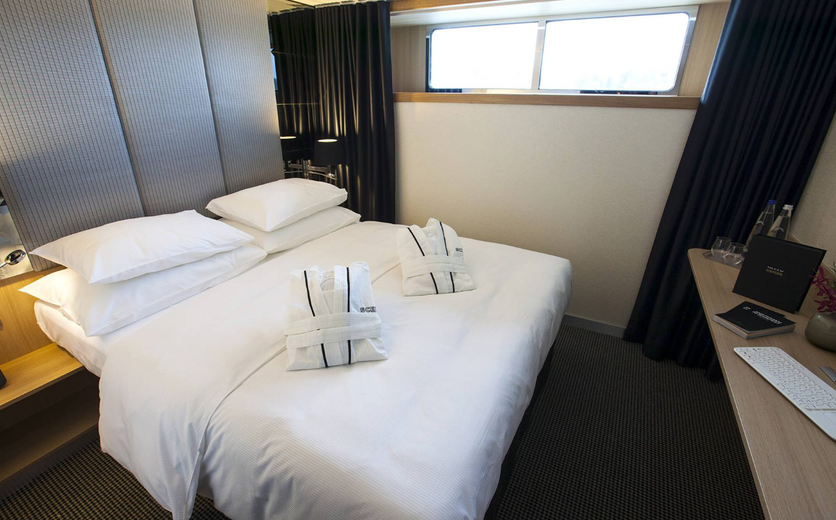
Standard Suites are located on the Jewel Deck with large picture windows to ensure a great view. They have a spacious design and clever layout alongside all the usual luxurious amenities and furnishings.
from £4,619 per person
from £4,619 per person
Standard Suites are located on the Jewel Deck with large picture windows to ensure a great view. They have a spacious design and clever layout alongside all the usual luxurious amenities and furnishings.
from £4,619 per person





 0203 930 4640